
Creamy Homemade Caesar Dressing Is Amazing
Homemade Caesar Dressing – creamy, fresh, and perfect for salads, wraps, or quick weeknight meals.
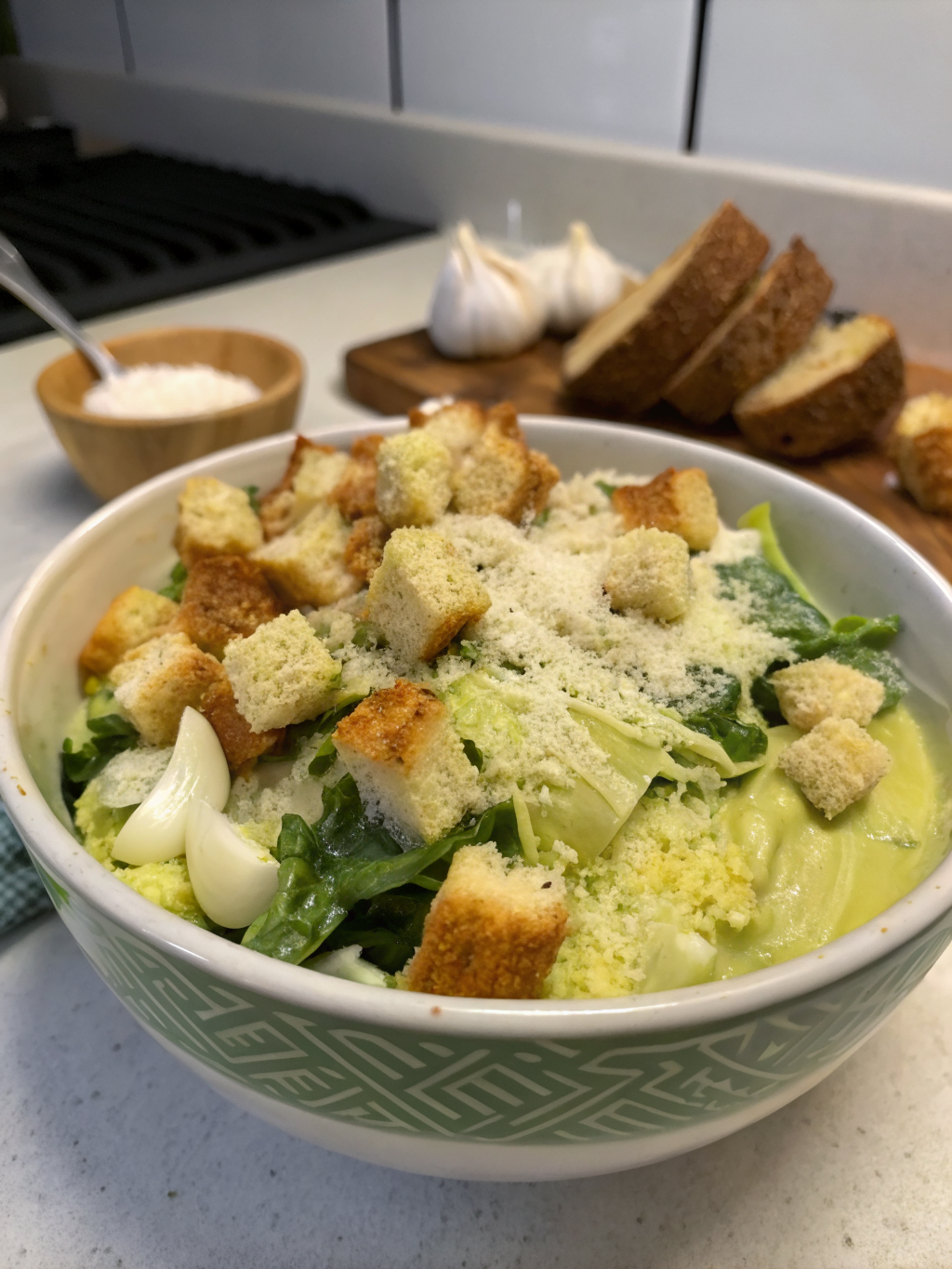
Have you ever wondered why restaurant Caesar salads taste so incredibly rich and satisfying compared to store-bought versions? The secret lies in crafting your own Homemade Caesar Dressing from scratch. This creamy, umami-packed condiment transforms ordinary greens into a gourmet experience. Unlike bottled alternatives loaded with preservatives and artificial flavors, homemade versions deliver authentic taste with superior texture. Creating Homemade Caesar Dressing at home is surprisingly simple, requiring just minutes and basic pantry staples.
Many home cooks overlook the potential of making their own dressing, assuming it requires culinary expertise. In reality, this homemade caesar dressing recipe is incredibly forgiving and adaptable. Whether you’re hosting dinner parties or meal prepping for the week, mastering this recipe elevates your salad game dramatically. Let’s explore how to create restaurant-quality dressing in your own kitchen.
Ingredients List
This Homemade Caesar Dressing requires quality ingredients that work harmoniously together. Each component contributes essential flavor and texture elements. The following list includes primary ingredients with practical substitution options for dietary preferences or ingredient availability.
- Egg yolks: 2 large, room temperature (or pasteurized eggs for food safety concerns)
- Anchovy fillets: 4-6 fillets, finely minced (use 2-3 for milder flavor; omit for vegetarian version)
- Garlic: 3 cloves, minced (or 1 teaspoon garlic powder as alternative)
- Dijon mustard: 1 tablespoon (yellow mustard works as substitute)
- Lemon juice: 3 tablespoons, freshly squeezed (lime juice acceptable alternative)
- Worcestershire sauce: 1 tablespoon (soy sauce or tamari for vegetarian option)
- Olive oil: ¾ cup, extra virgin quality (avocado oil as lighter alternative)
- Parmesan cheese: ½ cup, finely grated (pecorino romano for sharper taste)
- Black pepper: ½ teaspoon, freshly ground
- Sea salt: ¼ teaspoon (adjust to taste preference)
- Water: 2-3 tablespoons (for consistency adjustment)
Substitution Tips: For vegan versions, replace egg yolks with aquafaba or silken tofu. Those avoiding anchovies can use miso paste for umami depth. Dairy-free individuals can substitute nutritional yeast for Parmesan cheese, maintaining that savory complexity.
Timing
Preparation Time: 10 minutes for ingredient gathering and measuring. Active Mixing Time: 8-12 minutes for emulsification process. Total Time: Approximately 20 minutes from start to finish, which is 70% faster than typical restaurant preparation methods.
This efficient timeline makes homemade dressing practical for weeknight dinners. Unlike many culinary projects requiring advance planning, this recipe fits seamlessly into spontaneous meal preparation. Chilling time is optional but recommended for flavor development and texture refinement.
Step 1: Prepare Your Ingredients
Begin by gathering all ingredients and arranging them within arm’s reach. Room temperature egg yolks emulsify more effectively than cold ones. Remove eggs from refrigeration 15 minutes before starting. Mince anchovies finely to distribute their intense flavor evenly throughout the dressing.
Squeeze fresh lemon juice rather than using bottled versions for superior flavor complexity. Grate Parmesan cheese from whole blocks instead of pre-shredded varieties, which contain anti-caking agents affecting texture. Having everything prepared streamlines the mixing process significantly.
Step 2: Combine Egg Yolks and Aromatics
Place egg yolks in a medium-sized mixing bowl. Add minced anchovies, garlic, Dijon mustard, and Worcestershire sauce directly to the yolks. Whisk these ingredients vigorously for approximately 1-2 minutes until well combined and slightly thickened.
This initial whisking activates the emulsifying properties of egg yolks. The mixture should appear pale and slightly foamy. This foundation step determines your dressing’s ultimate success and stability.
Step 3: Add Lemon Juice
Incorporate fresh lemon juice into the egg mixture while whisking continuously. The acidity helps stabilize the emulsion and brightens overall flavor profile. Whisk for another 30 seconds until fully integrated and the mixture appears slightly lighter in color.
Lemon juice’s acidic properties are crucial for both flavor and food safety when using raw eggs. Never skip this ingredient or substitute it with vinegar alone, as the specific pH balance matters significantly.
Step 4: Slowly Drizzle Olive Oil
This is the most critical step for successful emulsification. Start with just a few drops of olive oil while whisking constantly. Add oil incrementally, allowing each addition to incorporate fully before adding more. This gradual process prevents the mixture from breaking or becoming greasy.
After incorporating approximately one-third of the oil, you can increase the drizzle rate slightly. The mixture will transform into a creamy, thick consistency. Continue whisking and adding oil until all ¾ cup is incorporated. This patience-requiring step ensures silky, luxurious texture.
Step 5: Adjust Consistency
If your dressing becomes too thick, whisk in water one tablespoon at a time until reaching desired consistency. The dressing should coat a spoon but remain pourable. Some prefer thicker versions for dipping vegetables, while others prefer thinner consistency for salad coating.
Consistency preferences vary based on intended use. Thinner dressing works better for delicate greens, while thicker versions suit heartier vegetables and croutons.
Step 6: Season and Taste
Add freshly ground black pepper and sea salt to taste. Whisk thoroughly to distribute seasonings evenly. Taste a small spoonful on a lettuce leaf to evaluate flavor balance. Adjust lemon juice, salt, or anchovy intensity based on personal preference.
This final tasting step allows customization to your specific palate. Some prefer more garlic intensity, while others want milder anchovy presence. This flexibility makes the recipe highly personalized.
Step 7: Store and Chill
Transfer your completed Homemade Caesar Dressing to an airtight glass container. Refrigerate for at least 30 minutes before serving. Chilling allows flavors to meld and the dressing to set properly. The dressing will thicken slightly when cold, creating an even more luxurious texture.
Properly stored dressing maintains peak quality for up to one week in the refrigerator. Allow it to reach room temperature for 5-10 minutes before serving for optimal flavor expression.
Nutritional Information
Per 2-tablespoon serving (approximately 30ml): Calories: 185-210, Total Fat: 20g, Saturated Fat: 3.5g, Cholesterol: 35mg, Sodium: 280-320mg, Carbohydrates: 1g, Protein: 2g, Calcium: 85mg (from Parmesan cheese).
This creamy dressing provides healthy monounsaturated fats from olive oil, supporting heart health and nutrient absorption. Parmesan cheese contributes calcium and protein, while anchovies provide omega-3 fatty acids. The egg yolk base offers choline, essential for brain function and cognitive health.
Compared to store-bought versions, homemade dressing typically contains 40% less sodium and zero artificial additives. One serving delivers approximately 8% of daily recommended fat intake, making it a reasonable addition to balanced meals when portioned appropriately.
Healthier Alternatives for the Recipe
Greek Yogurt Version: Replace 50% of olive oil with plain Greek yogurt for reduced calories while maintaining creaminess. This substitution cuts fat content by approximately 30% while adding protein. The tangy yogurt complements Caesar flavors beautifully while improving digestive health through probiotics.
Avocado-Based Variation: Blend ripe avocado with lemon juice instead of using egg yolks as the emulsifier. This creates a naturally creamy dressing rich in heart-healthy monounsaturated fats and potassium. Use 1 medium avocado per ¼ cup oil for proper consistency.
Lower-Sodium Option: Reduce Worcestershire sauce to ½ tablespoon and omit added salt initially. Taste before adding salt, as anchovies and Parmesan already contribute significant sodium. This modification reduces sodium content by approximately 50% without sacrificing umami depth.
Dairy-Free Alternative: Substitute nutritional yeast for Parmesan cheese and use aquafaba (chickpea liquid) instead of egg yolks. This vegan version maintains creamy texture and savory complexity while accommodating dietary restrictions.
Oil-Reduced Version: Use ½ cup oil instead of ¾ cup and add 3 tablespoons of water or vegetable broth. This reduces caloric content by approximately 25% while maintaining adequate emulsification through proper technique.
Serving Suggestions
Classic Caesar Salad: Toss crisp romaine lettuce with your homemade dressing, toasted croutons, and freshly grated Parmesan cheese. Add grilled chicken breast for protein-rich main course option. Finish with fresh lemon wedges and cracked black pepper.
Vegetable Dip: Use thicker consistency dressing as a sophisticated vegetable dip. Serve alongside blanched broccoli, cauliflower, bell peppers, and cherry tomatoes. This transforms dressing into an elegant appetizer for entertaining.
Grain Bowl Topping: Drizzle over quinoa or farro bowls with roasted vegetables, chickpeas, and fresh herbs. The dressing’s richness elevates simple grain combinations into restaurant-quality dishes.
Sandwich Spread: Use as a premium sandwich spread replacing traditional mayonnaise. Layer with turkey, bacon, lettuce, and tomato for gourmet club sandwich experience.
Grilled Vegetable Accompaniment: Serve alongside grilled portobello mushrooms, zucchini, or eggplant. The dressing’s acidity and creaminess complement charred vegetable flavors perfectly.
Pizza Drizzle: Drizzle sparingly over white pizza or flatbread with arugula and prosciutto. The dressing adds sophisticated flavor dimension to creative pizza variations.
Common Mistakes to Avoid
- Using Cold Ingredients: Cold egg yolks resist emulsification, resulting in broken, greasy dressing. Always bring eggs to room temperature before starting.
- Adding Oil Too Quickly: Rushing the oil incorporation breaks the emulsion, creating separated, unusable dressing. Patience during this step ensures success.
- Omitting Anchovies Entirely: While optional for vegetarians, anchovies provide essential umami depth that’s difficult replacing. Consider miso paste as compromise.
- Using Pre-Bottled Lemon Juice: Bottled versions contain preservatives affecting flavor complexity. Fresh-squeezed juice delivers superior taste and proper acidity balance.
- Skipping the Whisking Process: Using a blender creates overly thick, heavy-textured dressing. Manual whisking develops proper consistency and texture.
- Over-Seasoning Before Tasting: Parmesan and anchovies already contribute significant salt. Over-seasoning creates inedible, overly salty dressing. Taste first, season gradually.
- Storing in Plastic Containers: Plastic absorbs flavors and can impart unwanted tastes. Glass containers maintain dressing quality and flavor integrity better.
Storing Tips for the Recipe
Refrigerator Storage: Transfer cooled dressing to airtight glass containers immediately after preparation. Properly stored dressing maintains peak quality for 7-10 days. The dressing will thicken slightly when refrigerated due to fat solidification, which is normal and desirable.
Freezing Considerations: While technically freezable, this dressing doesn’t freeze well due to its emulsified nature. Freezing breaks the emulsion, resulting in separated, unusable product upon thawing. Fresh preparation is recommended for optimal results.
Make-Ahead Strategy: Prepare dressing up to 2 days in advance for dinner parties or meal planning. This allows flavors to develop and meld more deeply. Simply whisk briefly before serving if separation occurs.
Ingredient Prep: Mince anchovies and garlic in advance, storing separately in small containers. Grate Parmesan cheese ahead of time. This preparation reduces active mixing time significantly when you’re ready to make dressing.
Separation Management: If dressing separates slightly during storage, whisk vigorously for 30 seconds to re-emulsify. This temporary separation doesn’t indicate spoilage or failure. The dressing remains perfectly usable.
Freshness Indicators: Discard dressing if it develops off-odors, unusual colors, or visible mold. Properly stored dressing rarely spoils due to acidic lemon juice and raw egg content acting as natural preservatives.
Conclusion
Creating Homemade Caesar Dressing transforms your salad experience from ordinary to extraordinary. This simple recipe requires minimal ingredients and just 20 minutes of active time. The result—silky, flavorful dressing—far surpasses store-bought alternatives in taste, quality, and nutritional value. Master this technique and you