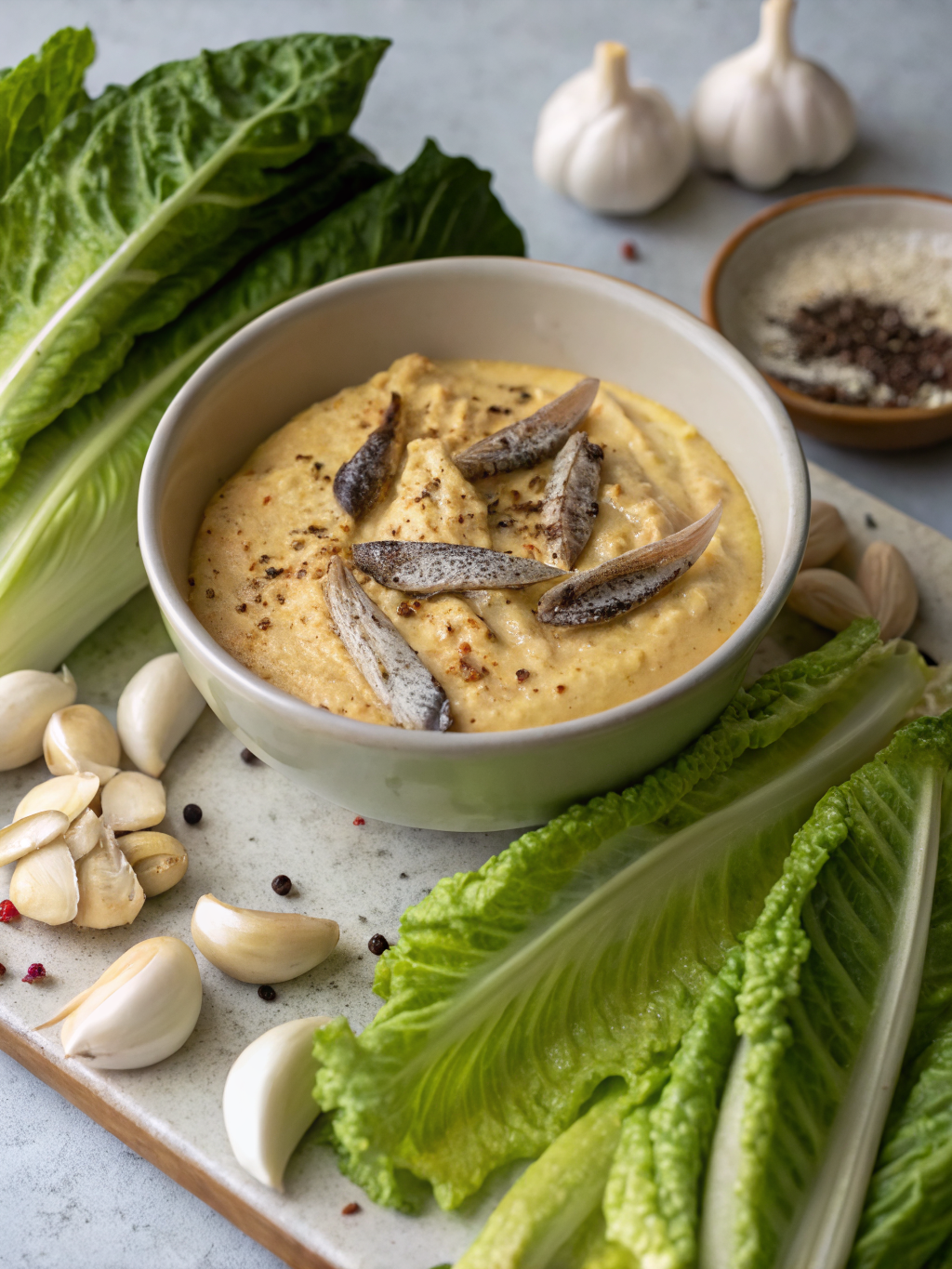
Creamy Homemade Caesar Dressing Is Amazing
Have you ever wondered why restaurant Caesar salads taste infinitely better than homemade versions? The secret lies in mastering the perfect Homemade Caesar Dressing that transforms ordinary lettuce into an extraordinary culinary experience.
Creating authentic Caesar dressing at home might seem intimidating, but this recipe breaks down the process into simple, achievable steps. With just a few pantry staples and five minutes of your time, you’ll craft a creamy, tangy dressing that rivals any upscale restaurant.
Ingredients List
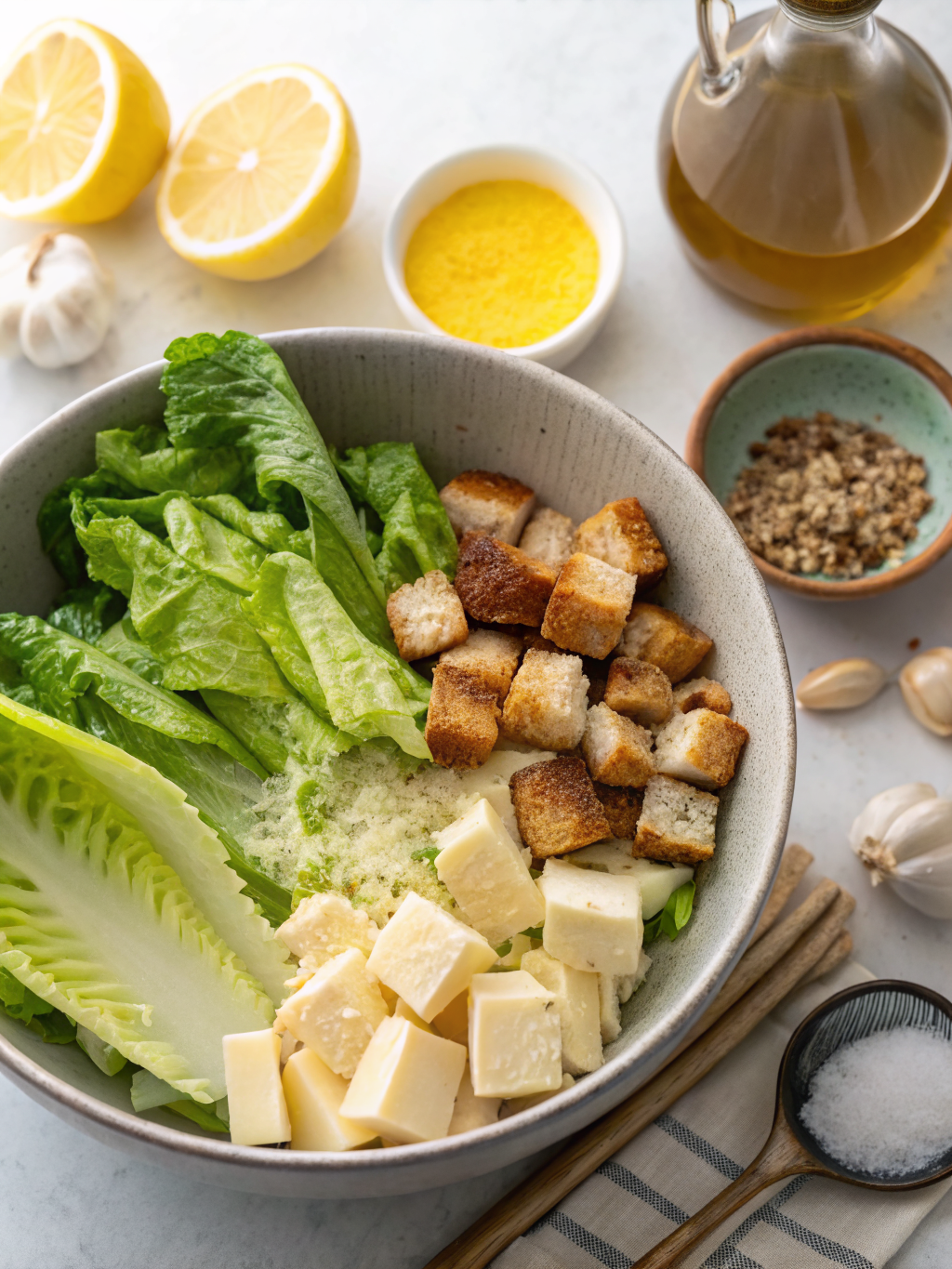
Gathering quality ingredients is crucial for achieving that signature Caesar flavor profile. Each component plays a vital role in creating the perfect balance of savory, tangy, and umami notes.
- 2 large egg yolks (pasteurized eggs recommended for safety)
- 2 tablespoons fresh lemon juice (approximately 1 lemon)
- 2 teaspoons Dijon mustard
- 4-6 anchovy fillets, minced (or 2 tablespoons anchovy paste)
- 3 garlic cloves, minced or grated
- 1 cup extra virgin olive oil
- 1/2 cup freshly grated Parmesan cheese
- 1 teaspoon Worcestershire sauce
- 1/2 teaspoon freshly ground black pepper
- 1/4 teaspoon kosher salt (adjust to taste)
For those with dietary restrictions, consider these substitutions: use vegan mayonnaise instead of egg yolks, nutritional yeast for Parmesan, and capers or olive tapenade to replace anchovies.
Timing
Preparation time takes merely 10 minutes, with no cooking required. This efficiency makes Homemade Caesar Dressing perfect for last-minute dinner preparations.
Compared to store-bought alternatives that require a trip to the grocery store, this recipe saves approximately 30 minutes. The dressing stays fresh for up to one week when properly refrigerated.
Step-by-Step Instructions
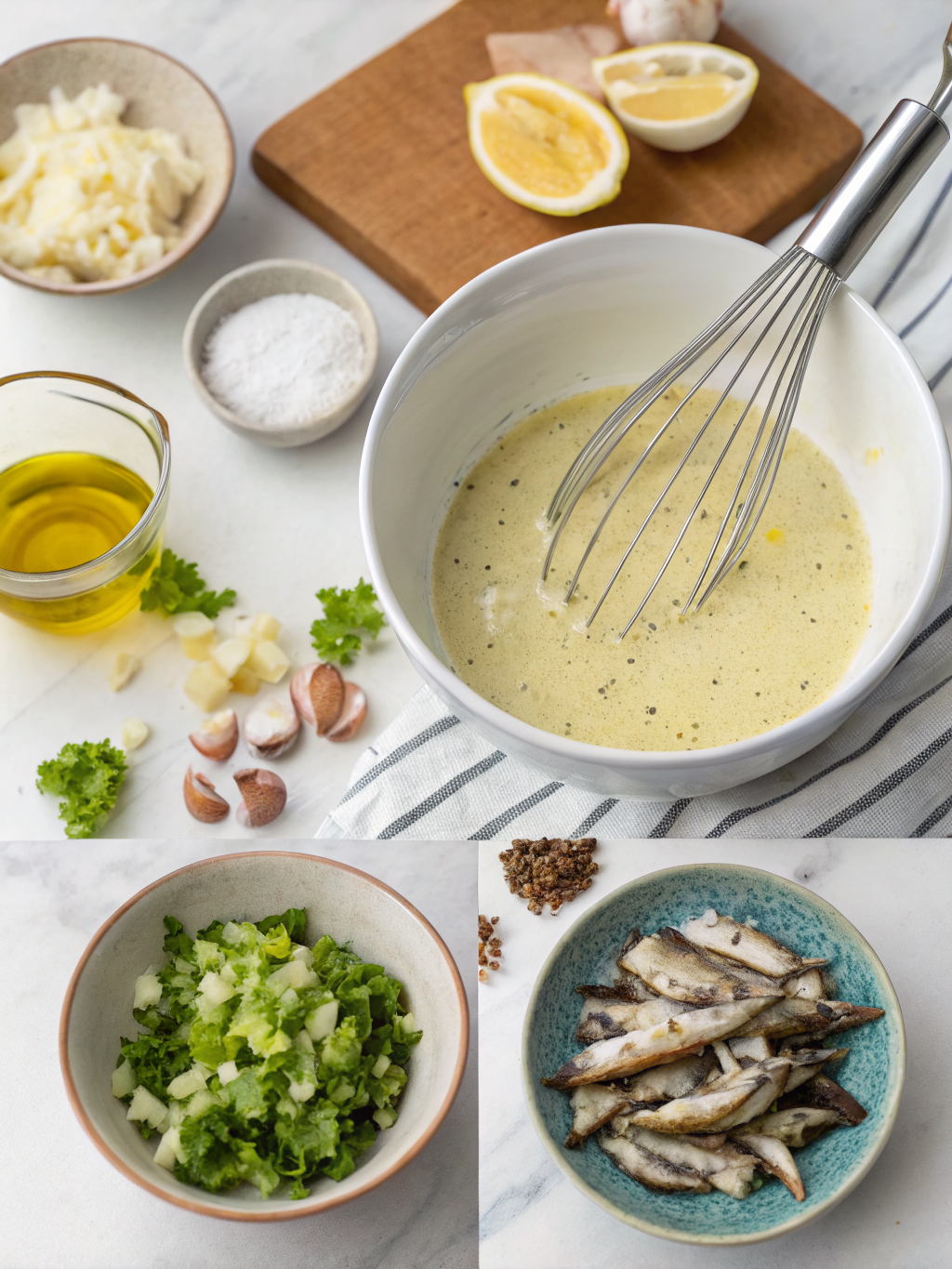
Step 1: Prepare Your Base
Combine egg yolks, lemon juice, and Dijon mustard in a medium mixing bowl. Whisk vigorously for 30 seconds until the mixture becomes pale and slightly frothy.
Step 2: Add the Flavor Builders
Incorporate minced anchovies and garlic into the egg mixture. These ingredients provide the distinctive umami depth that defines authentic Caesar dressing. Whisk thoroughly to distribute evenly.
Step 3: Create the Emulsion
Begin adding olive oil in a thin, steady stream while whisking continuously. This technique creates a stable emulsion, resulting in that coveted creamy texture. Start with drops, then increase to a thin stream.
Step 4: Achieve Perfect Consistency
Continue whisking and adding oil until the dressing reaches mayonnaise-like thickness. If it becomes too thick, add a teaspoon of water or lemon juice to adjust.
Step 5: Season and Finish
Fold in grated Parmesan cheese, Worcestershire sauce, black pepper, and salt. Taste and adjust seasonings according to your preference. The dressing should be tangy, savory, and slightly salty.
Step 6: Rest and Develop
Transfer to an airtight container and refrigerate for at least 30 minutes before serving. This resting period allows flavors to meld and intensify beautifully.
Nutritional Information
Each two-tablespoon serving of this Homemade Caesar Dressing contains approximately 180 calories, making it comparable to premium store-bought versions. The breakdown includes 18 grams of fat, primarily from heart-healthy olive oil.
Protein content reaches 3 grams per serving, thanks to egg yolks and Parmesan cheese. Carbohydrates remain minimal at 1 gram, making this dressing suitable for low-carb and ketogenic diets.
The dressing provides 15% of daily calcium needs and 8% of vitamin A requirements. Anchovies contribute omega-3 fatty acids, supporting cardiovascular health and reducing inflammation.
Healthier Alternatives for the Recipe
Transform this classic recipe into a lighter version by substituting Greek yogurt for half the olive oil. This modification reduces calories by 40% while maintaining the creamy texture.
Replace traditional Parmesan with nutritional yeast for a dairy-free option rich in B vitamins. Use avocado oil instead of olive oil to increase monounsaturated fat content and create a milder flavor profile.
For an egg-free version, blend silken tofu with lemon juice as your base. This substitution provides plant-based protein while achieving similar consistency and binding properties.
Serving Suggestions
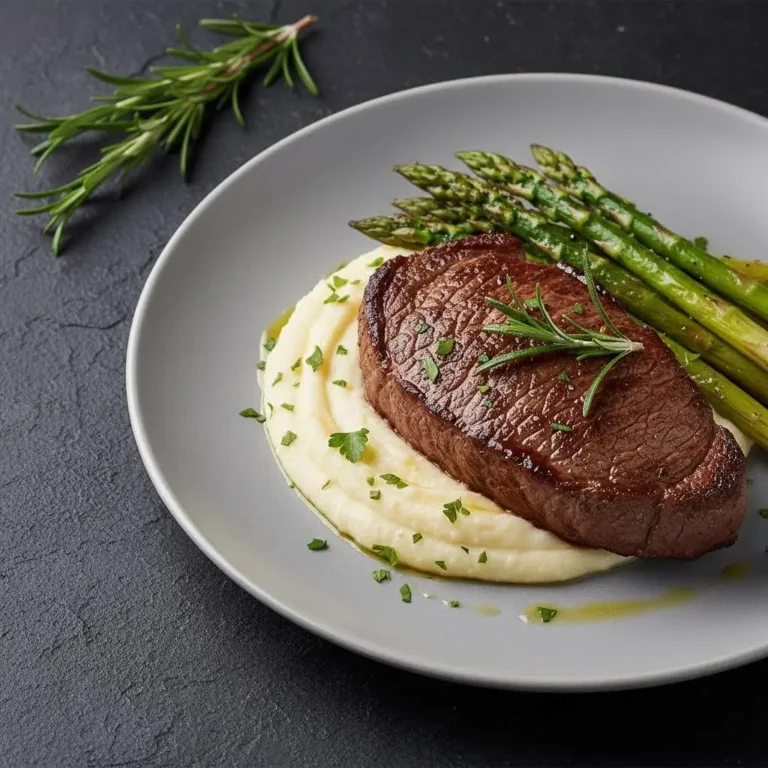
Beyond traditional romaine lettuce, this versatile dressing elevates grilled vegetables, particularly asparagus and Brussels sprouts. Drizzle over roasted cauliflower for a low-carb side dish that impresses.
Use as a marinade for chicken or fish before grilling. The acidic components tenderize proteins while infusing them with complex flavors. Try it as a dip for crudités or crispy chickpea snacks.
Create Caesar-inspired pasta salad by tossing cooled penne with dressing, cherry tomatoes, and grilled shrimp. This crowd-pleasing dish works perfectly for summer gatherings and potlucks.
Common Mistakes to Avoid
- Adding oil too quickly breaks the emulsion, resulting in separated, oily dressing. Patience during emulsification ensures success.
- Using pre-grated Parmesan lacks flavor intensity. Always grate fresh cheese for optimal taste and texture.
- Over-salting before adding Parmesan and anchovies leads to excessive saltiness. Season gradually and taste frequently.
- Skipping the resting period prevents flavor development. Allow adequate time for ingredients to harmonize.
- Using old garlic creates bitter notes. Fresh garlic cloves provide the best flavor without harshness.
Storing Tips for the Recipe
Store your Homemade Caesar Dressing in a glass jar with a tight-fitting lid. Glass preserves flavor better than plastic and prevents absorption of refrigerator odors.
Keep refrigerated at 40°F or below, positioning the jar toward the back where temperature remains most consistent. Avoid door storage where temperature fluctuations occur frequently.
Before each use, stir or shake vigorously to re-emulsify separated ingredients. If separation persists, whisk in a tablespoon of warm water to restore smoothness.
For meal prep enthusiasts, prepare double batches and freeze portions in ice cube trays. Frozen cubes thaw quickly for single-serving convenience without waste.
Conclusion
Mastering this homemade Caesar dressing recipe transforms your culinary repertoire, providing restaurant-quality results in your own kitchen. The combination of fresh ingredients and proper technique creates unmatched flavor depth.
Ready to elevate your salad game? Prepare this dressing today and experience the difference fresh, homemade condiments make. Share your variations in the comments below and inspire fellow home cooks!