
Bone Marrow Recipe: How 1 Tray Makes a Gourmet Meal
Stop settling for boring dinners. This Bone Marrow Recipe teaches you the best roasting techniques for a melt in your mouth meal. Explore!
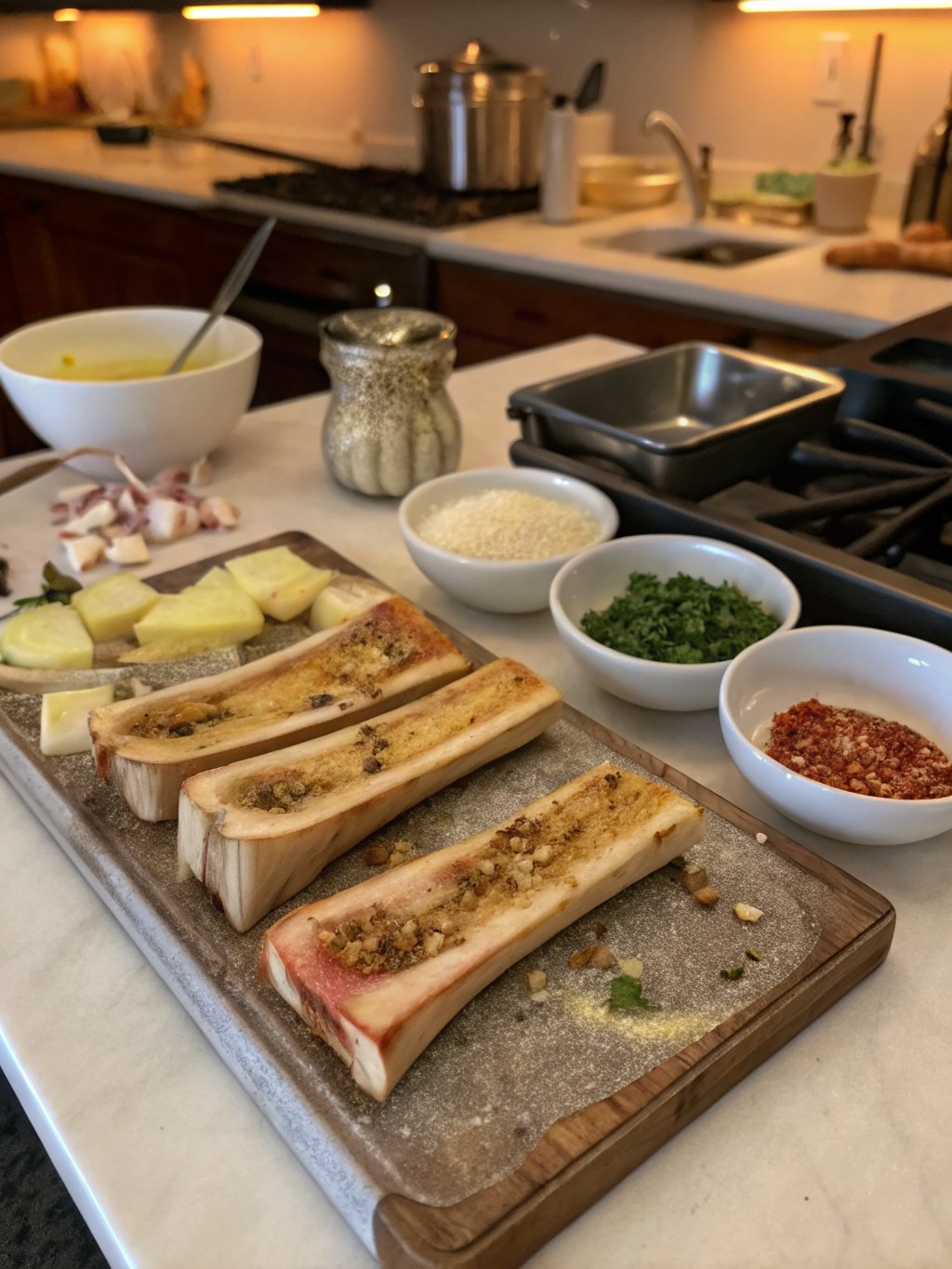
Bone Marrow Recipe: How 1 Tray Makes a Gourmet Meal
What if the most luxurious dish you’ve ever tasted required nothing more than a single sheet pan, a handful of ingredients, and about an hour of your time? Most people walk right past bone marrow at the butcher counter, assuming it’s too complicated or too exotic for a home kitchen. They couldn’t be more wrong.
This Bone Marrow Recipe transforms humble beef bones into a rich, buttery, melt-in-your-mouth delicacy that rivals anything you’d find at a fine-dining restaurant. Whether you’re a seasoned home cook or a curious beginner, this guide will walk you through every detail — from selecting the perfect bones to plating like a professional chef.
Roasted bone marrow has surged in popularity across restaurant menus worldwide. Once considered offal or “throwaway” food, it’s now celebrated by top chefs for its incredible depth of flavor. The best part? It’s surprisingly affordable and astonishingly simple to prepare at home.
Let’s dive into everything you need to know to master this showstopping dish with just one tray.
Ingredients List
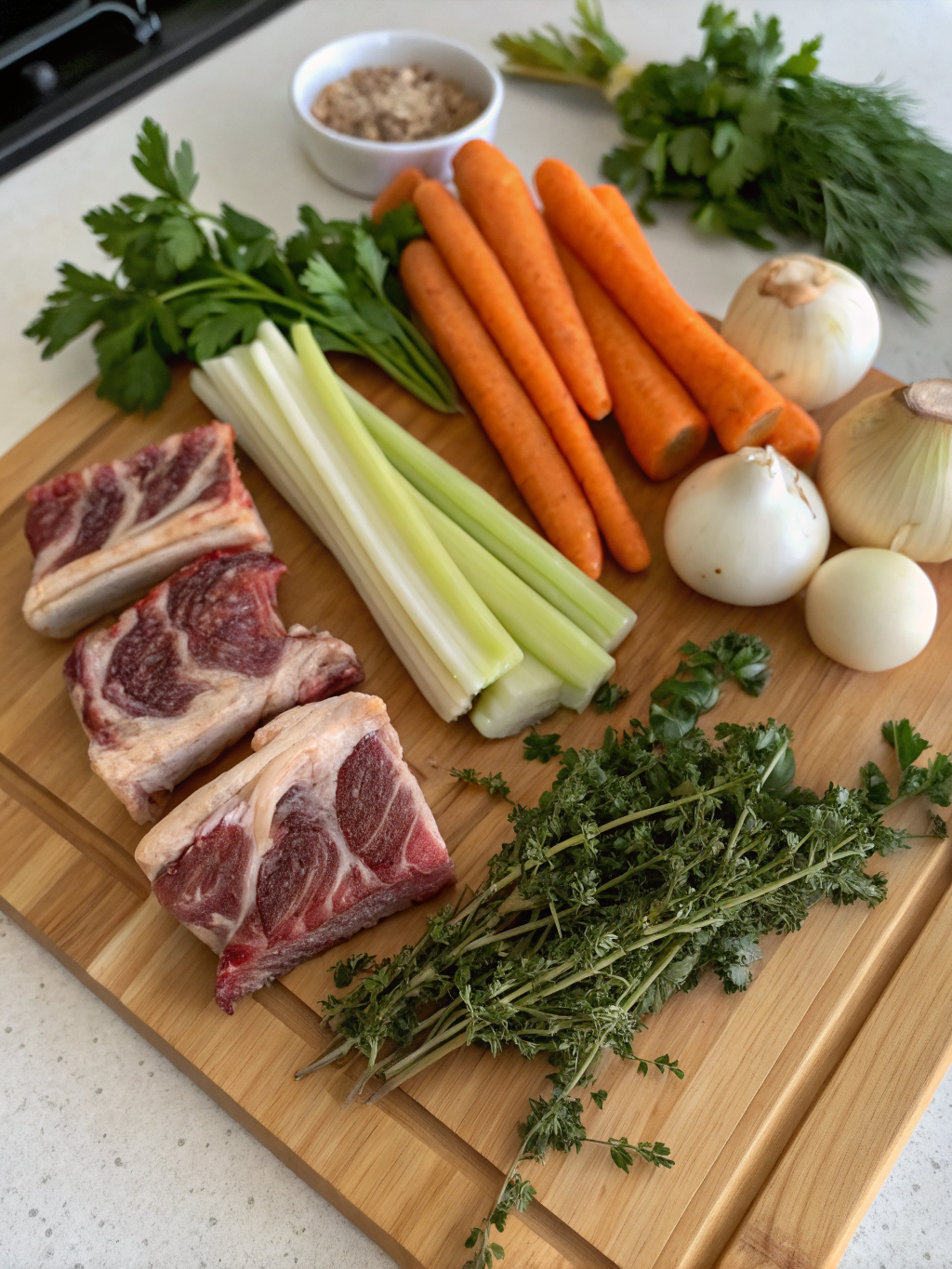
The beauty of a Bone Marrow Recipe lies in its simplicity. You need very few ingredients, but quality matters enormously. Source grass-fed beef marrow bones from a trusted butcher for the best flavor and nutritional profile.
- 4–6 center-cut beef marrow bones (canoe-cut or cross-cut, approximately 3 inches each)
- 1 tablespoon flaky sea salt (such as Maldon; substitute kosher salt if unavailable)
- 1 teaspoon freshly cracked black pepper
- 2 tablespoons fresh flat-leaf parsley, finely chopped
- 1 small shallot, minced (substitute red onion for a milder flavor)
- 1 tablespoon capers, drained and roughly chopped
- 1 tablespoon fresh lemon juice (approximately half a lemon)
- 1 teaspoon extra virgin olive oil
- Crusty bread or sourdough toast, for serving (use gluten-free bread for a GF alternative)
The parsley, shallot, and caper mixture creates a bright gremolata-style topping. This acidic garnish cuts through the richness of the marrow beautifully, balancing every bite with freshness and zing.
Timing
Soaking Time: 12–24 hours (optional but highly recommended)
Prep Time: 10 minutes
Cook Time: 20–25 minutes
Total Active Time: Approximately 35 minutes
Compared to other gourmet recipes that can take two hours or more, this dish clocks in at roughly 35 minutes of active work — about 70% less hands-on time than a typical fine-dining entrée. The overnight soak is passive and requires zero effort beyond placing bones in salted water.
This efficiency makes it perfect for weeknight entertaining or an impressive weekend brunch centerpiece without the stress.
Step-by-Step Instructions
Step 1: Soak the Marrow Bones
Place the marrow bones in a large bowl and cover them completely with ice-cold water. Add one tablespoon of salt per cup of water. Refrigerate for 12 to 24 hours, changing the water every few hours if possible.
This soaking process draws out blood and impurities from the marrow. It results in a cleaner, more visually appealing final product with a milder, more refined taste. Skipping this step won’t ruin the dish, but it will produce a slightly more mineral-heavy flavor.
Step 2: Preheat and Prepare
Preheat your oven to 450°F (230°C). Line a rimmed baking sheet or roasting tray with parchment paper or aluminum foil for easy cleanup. Remove the bones from the soaking liquid and pat them thoroughly dry with paper towels.
Arrange the bones cut-side up on the tray in a single layer. If using canoe-cut bones, place them marrow-side facing upward. Ensure they’re stable and won’t roll — you can create small foil rings to cradle round bones.
Step 3: Season the Bones
Sprinkle each bone generously with flaky sea salt and freshly cracked black pepper. That’s it — no other seasoning is needed at this stage. The marrow itself carries an incredibly rich, beefy, buttery flavor that needs minimal enhancement.
Pro Tip: Resist the urge to add herbs or garlic directly onto the marrow before roasting. They’ll burn at this high temperature and create bitter flavors. Save your aromatics for the finishing topping.
Step 4: Roast the Marrow
Place the tray in the center rack of your preheated oven. Roast for 20 to 25 minutes. The marrow is done when it’s soft, jiggly, and slightly pulling away from the bone. It should look bubbly around the edges.
Watch carefully during the last five minutes. Overcooked marrow will melt completely and render out into the pan, leaving you with empty bones. You want it soft and spreadable but still holding its shape within the bone cavity.
Step 5: Prepare the Gremolata Topping
While the bones roast, combine the chopped parsley, minced shallot, capers, lemon juice, and olive oil in a small bowl. Toss gently and season with a pinch of salt. Let it sit for a few minutes so the flavors meld together.
This bright, herbaceous topping is essential. It provides the acidity and freshness needed to balance the extreme richness of the roasted marrow. Think of it as the dish’s secret weapon against palate fatigue.
Step 6: Serve Immediately
Remove the bones from the oven and transfer them to a warm serving platter. Spoon the gremolata topping generously over the exposed marrow. Serve alongside thick slices of toasted crusty bread or grilled sourdough.
Encourage guests to scoop the warm marrow directly from the bone using a small spoon or butter knife, then spread it onto the toast. A sprinkle of extra flaky salt on top is the perfect finishing touch.
Nutritional Information
Bone marrow is a nutritional powerhouse that has been consumed by humans for thousands of years. A single serving (approximately two tablespoons of marrow) provides a concentrated source of essential nutrients that support overall health.
Per serving (approximately 2 bones):
- Calories: 250–300 kcal
- Total Fat: 26g (primarily monounsaturated and saturated fats)
- Protein: 7g
- Collagen: High concentration (supports joint and skin health)
- Iron: Approximately 4% of daily recommended intake
- Vitamin A: Present in bioavailable retinol form
- Vitamin B12: Significant amounts supporting nerve function
- Conjugated Linoleic Acid (CLA): Found in grass-fed marrow, linked to anti-inflammatory benefits
Research published in nutritional science journals highlights that bone marrow contains adiponectin, a hormone that helps regulate insulin sensitivity and may reduce inflammation. Grass-fed marrow bones tend to have a superior fatty acid profile compared to conventionally raised alternatives.
While bone marrow is calorie-dense, it’s also incredibly satiating. A little goes a long way, making portion control naturally easy for most people.
Healthier Alternatives for the Recipe
If you’re watching your calorie intake, consider serving smaller portions of marrow as an appetizer rather than a main course. Two bones per person as a starter provides all the indulgence with a more moderate caloric impact.
Bread alternatives: Swap traditional crusty bread for whole-grain sourdough, seed crackers, or even thinly sliced roasted vegetables like sweet potato rounds or zucchini chips for a lower-carb option.
Enhanced topping: Add microgreens, watercress, or arugula to the gremolata for extra vitamins, minerals, and fiber. A dash of apple cider vinegar in place of lemon juice adds probiotic benefits.
For those following a paleo or keto diet, this Bone Marrow Recipe is already naturally compliant. Simply serve with grain-free crackers or raw vegetable crudités instead of bread. The high-fat, moderate-protein profile fits perfectly within these dietary frameworks.
Serving Suggestions
Roasted bone marrow is incredibly versatile and works beautifully across multiple meal occasions. Here are some creative ways to elevate your presentation and impress your guests.
As an appetizer: Serve two bones per person on a rustic wooden board alongside toast points, cornichons, pickled red onions, and a small pile of arugula dressed in lemon vinaigrette. This creates a stunning charcuterie-style presentation.
As a main course: Pair roasted marrow bones with a perfectly seared ribeye steak and a simple green salad. The marrow doubles as a luxurious “butter” for the steak — simply spread it on top of the hot meat.
Brunch feature: Top toasted sourdough with scooped marrow, a soft poached egg, and a sprinkle of everything bagel seasoning. It’s an unforgettable brunch dish that will have everyone talking.
Wine pairing: A full-bodied red wine like Barolo, Côtes du Rhône, or a bold Malbec complements the richness of bone marrow exceptionally well. For white wine lovers, an oaked Chardonnay provides enough body to stand up to the dish.
Common Mistakes to Avoid
Even a straightforward Bone Marrow Recipe can go wrong if you overlook a few critical details. Here are the most common pitfalls and how to sidestep them confidently.
- Skipping the soak: Failing to soak the bones results in marrow with a darker color and a stronger, sometimes off-putting mineral taste. The overnight soak is the single most important prep step for a clean, refined result.
- Oven temperature too low: Roasting below 425°F will cause the marrow to slowly render out rather than roast properly. High heat is essential for achieving that golden, bubbly, caramelized top while keeping the interior creamy.
- Overcooking: This is the number one mistake. Marrow goes from perfectly soft to completely melted in a matter of minutes. Start checking at the 18-minute mark and remove the bones as soon as the marrow is jiggly and pulling slightly from the edges.
- Using dull or low-quality bones: Ask your butcher for center-cut femur bones specifically. They have the highest marrow-to-bone ratio. Avoid knuckle bones or joints, which contain less marrow and more connective tissue.
- Forgetting the acid: Serving bone marrow without an acidic component like lemon, vinegar, or pickled garnishes makes the dish feel overwhelmingly heavy. Always include a bright, tangy element to balance the richness.
- Cold bread: Warm, freshly toasted bread is essential. Cold or stale bread won’t absorb the marrow properly and creates an unpleasant textural contrast. Toast your bread right before serving.
Storing Tips for the Recipe
Raw bones: Uncooked marrow bones can be stored in the refrigerator for up to two days or frozen for up to six months. Wrap them tightly in plastic wrap and place them in a freezer-safe bag to prevent freezer burn.
Leftover roasted marrow: If you have leftover roasted marrow (a rare occurrence!), scoop it from the bones and store it in an airtight container in the refrigerator for up to three days. It solidifies when cold but re-melts beautifully.
Creative reuse: Cold leftover marrow makes an extraordinary cooking fat. Use it to sear steaks, sauté mushrooms, or enrich risotto. Simply melt a spoonful in a hot pan and use it as you would butter or oil for an incredible depth of flavor.
The gremolata topping: Prepare it fresh each time for the best results. It doesn’t store well beyond a few hours, as the parsley wilts and the shallots become overly pungent. It takes only two minutes to assemble, so there’s no need to make it ahead.
Conclusion
This Bone Marrow Recipe proves that extraordinary dining experiences don’t require extraordinary effort. With just one tray, a handful of quality ingredients, and about 35 minutes of active time, you can create a dish that looks, tastes, and feels like something from a Michelin-starred restaurant.
From the silky, buttery richness of perfectly roasted marrow to the bright, zesty pop of the gremolata topping, every element of this recipe is designed to deliver maximum impact with minimum fuss. It’s affordable, nutritious, and endlessly impressive.
Whether you’re hosting a dinner party, planning a romantic meal, or simply treating yourself to something special on a Tuesday night, roasted bone marrow deserves a permanent spot in your culinary repertoire.
Ready to give it a try? Head to your local butcher, grab a tray of marrow bones, and experience the magic for yourself. Once you’ve made it, drop a comment below and let us know how it turned out. Don’t forget to share this recipe with fellow food lovers who appreciate the finer things in life — especially when they’re this easy to make!